Executive Insights
- Nipah virus (NiV) outbreaks in 2026 have triggered intensified surveillance in India, Bangladesh, and neighboring Asian nations.
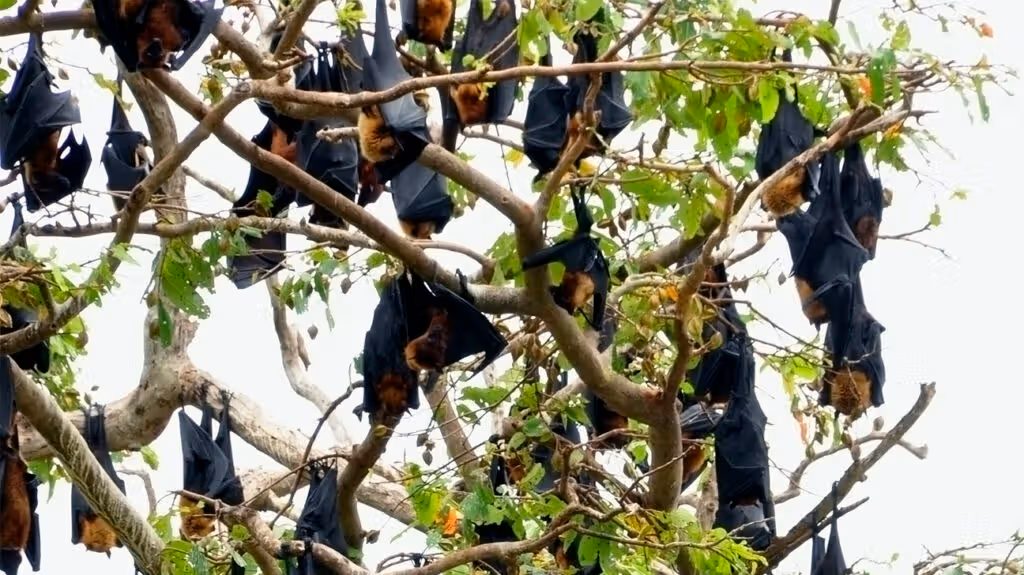
- Pteropus fruit bats are the natural reservoir, with spillover primarily occurring via contaminated date palm sap.
- Human-to-human transmission in healthcare settings (nosocomial infection) is a major concern, driving the need for strict BSL-4 protocols.
- No licensed vaccine exists yet, but the ChAdOx1 NipahB vaccine is in Phase II trials and monoclonal antibodies are in development.
- A regional One Health approach is essential to monitor bat ecology and prevent spillover events.
Executive Summary: The 2026 Nipah Resurgence
As of early 2026, the recurring spillovers of the Nipah virus (NiV) in India and Bangladesh have triggered a heightened state of regional health security across South and Southeast Asia. With confirmed cases in West Bengal involving healthcare workers and persistent seasonal outbreaks in Bangladesh linked to date palm sap consumption, the World Health Organization (WHO) and regional governments have activated intensified cross-border surveillance protocols. This highly pathogenic Henipavirus, carried by Pteropus fruit bats, remains a top-tier WHO priority pathogen due to its high case fatality rate (CFR), potential for human-to-human transmission, and the continued absence of licensed vaccines.
The Epidemiology of a Silent Killer
Nipah virus infection manifests as a zoonotic illness with a dual threat mechanism: rapid onset respiratory distress syndrome and severe viral encephalitis. The 2026 outbreaks have reinforced the virus’s lethality, with CFRs historically ranging from 40% to 75%, and reaching 100% in specific localized clusters.
Transmission Dynamics
| Transmission Route | Mechanism | Risk Context |
|---|---|---|
| Zoonotic Spillover | Consumption of raw date palm sap contamination by infected fruit bats (Pteropus medius). | Seasonal harvesting (December–April) in the "Nipah Belt" of Bangladesh and West Bengal. |
| Nosocomial Infection | Direct contact with infected fluids (saliva, urine) in healthcare settings. | Healthcare workers lacking adequate PPE; evident in the January 2026 West Bengal cases. |
| Human-to-Human | Aerosol or droplet transmission during close contact with severe cases. | Caregivers and family members of patients with acute respiratory symptoms. |
Intensified Regional Health Security Measures
The transboundary nature of the Pteropus bat reservoir—which migrates freely across the porous India-Bangladesh border—has necessitated a shift from national containment to regional biological defense.
Cross-Border Surveillance Protocols
Following the 2026 alerts, neighboring nations including Thailand, Nepal, and Singapore have implemented rigorous screening measures:
- Thermal Screening at Points of Entry: Enhanced fever screening for travelers arriving from West Bengal and Bangladesh.
- Mobile Lab Deployment: India has successfully deployed mobile Biosafety Level 3 (BSL-3) and BSL-4 compliant units to remote districts for rapid RT-PCR testing, reducing turnaround time from days to hours.
- Contact Tracing Networks: The tracing of over 190 contacts in the West Bengal incident demonstrates a robust, tech-enabled surveillance grid capable of isolating asymptomatic carriers early in the incubation period (typically 4–14 days, but up to 45 days).
The One Health Approach: Integration is Key
The One Health approach is no longer theoretical but operational. The WHO South-East Asia Regional Strategy (2023–2030) emphasizes the interconnection between human health, animal health, and environmental integrity.
- Ecological Surveillance: Longitudinal sampling of bat roosts to predict viral shedding intensity, often correlated with winter temperatures and deforestation.
- Agricultural Interventions: Promoting "bamboo skirt" barriers on date palm trees to prevent bats from licking the sap collection stream.
- Veterinary Alerts: Monitoring domestic animals (though pigs played a role in the 1999 Malaysia outbreak, current South Asian strains primarily jump directly to humans).
Therapeutics and Vaccine Landscape (2026 Status)
Despite the designation as a priority pathogen, no globally licensed vaccine exists. However, the R&D pipeline has accelerated significantly under the Coalition for Epidemic Preparedness Innovations (CEPI).
- Monoclonal Antibodies: The experimental therapy m102.4 has shown promise in compassionate use. In 2026, the new antibody candidate MBP1F5 is entering clinical evaluation as a post-exposure prophylaxis.
- Vaccine Trials: The University of Oxford’s ChAdOx1 NipahB vaccine is currently in Phase II clinical trials in at-risk regions, offering the first glimmer of preventative hope.
Conclusion: Preparing for Disease X
The Nipah virus serves as a prototype for "Disease X"—a pathogen with pandemic potential. The intensified surveillance protocols in Asia, characterized by rapid genomic sequencing and cross-border data sharing, are critical. However, until a vaccine is licensed, behavior modification (avoiding raw sap) and hospital infection control remain the primary firewalls against a wider catastrophe.
In-Depth Q&A
Q: Why is the Nipah virus considered a WHO priority pathogen?
Nipah is designated a priority pathogen due to its high Case Fatality Rate (40-75%), the lack of licensed vaccines or therapeutics, and its proven ability to transmit from person to person.
Q: What is the primary mode of transmission in India and Bangladesh?
The primary spillover mechanism is the consumption of raw date palm sap contaminated with the saliva or urine of infected Pteropus fruit bats.
Q: Are there any approved treatments for Nipah virus infection?
As of 2026, there are no licensed treatments. Care is supportive. Experimental treatments like monoclonal antibodies (m102.4, MBP1F5) are used under compassionate care protocols.
Q: How long is the incubation period for Nipah virus?
The incubation period typically ranges from 4 to 14 days, but documented cases have shown latency periods as long as 45 days.
Q: What cross-border measures are in place to stop the spread?
Measures include thermal screening at airports in neighboring countries (Thailand, Nepal), rapid information sharing between health ministries, and the deployment of mobile testing laboratories near outbreak clusters.