Executive Insights
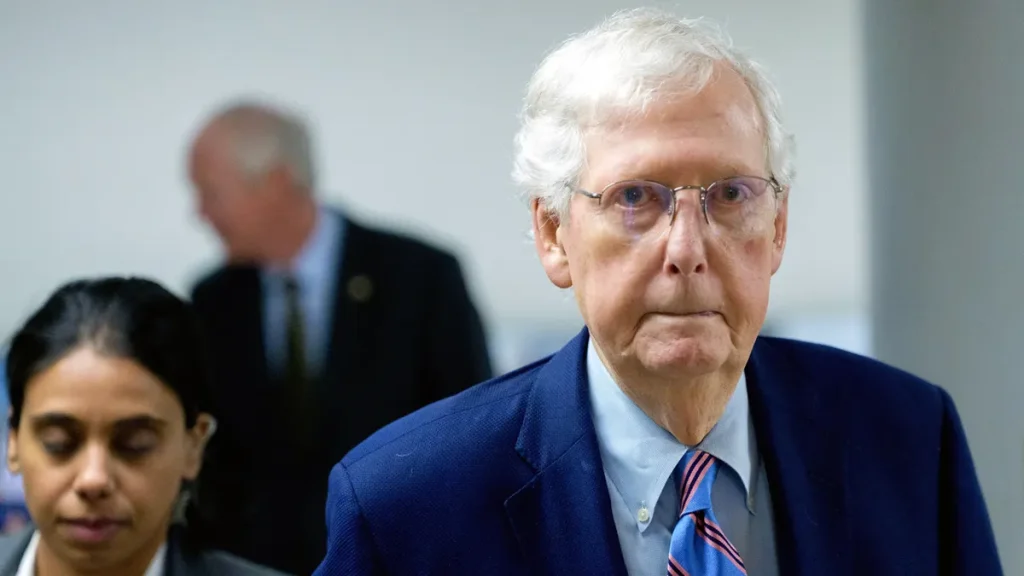
- Mitch McConnell was hospitalized on Feb 3, 2026, for flu-like symptoms as a preventive measure.
- Spokesperson David Popp confirmed a ‘positive prognosis’ and stated McConnell is in contact with staff.
- McConnell is 83 years old and a childhood polio survivor, factors that complicate his geriatric health.
- His medical history includes a severe concussion in 2023 and multiple falls (2019, 2023, 2025).
- He stepped down as GOP Leader in 2024 and is not seeking re-election, intending to serve until Jan 2027.
Current Status: The February 2026 Hospitalization
On the evening of February 3, 2026, Senator McConnell checked himself into an inpatient facility after experiencing persistent symptoms over the weekend. While specific clinical details remain private, his office moved quickly to quell speculation about the severity of his condition.
Official Statement
David Popp, a longtime spokesperson for the Senator, issued a statement aimed at reassuring constituents and colleagues:
“In an abundance of caution, after experiencing flu-like symptoms over the weekend, Senator McConnell checked himself into a local hospital for evaluation last night. His prognosis is positive, and he is grateful for the excellent care he is receiving. He is in regular contact with his staff and looks forward to returning to Senate business.”
Despite the optimistic tone, the decision to opt for inpatient care rather than home rest underscores the medical vulnerabilities associated with octogenarians, particularly those with a history of respiratory or mobility issues.
Clinical Context: Geriatric Health Monitoring
For patients over 80, “flu-like symptoms”—which can range from fever and fatigue to respiratory distress—carry elevated risks compared to the general population. The Capitol Hill attending physician often recommends hospitalization in such cases to monitor for complications like pneumonia or dehydration, which can escalate rapidly in elderly patients.
- Preventive Hospitalization: Often used to administer intravenous fluids and antiviral medications under supervision.
- Mobility Risks: Weakness from viral infections significantly increases the risk of falls, a critical concern given McConnell’s medical history.
A History of Health Challenges (2019–2026)
Public scrutiny of McConnell’s health is not an isolated reaction but a cumulative response to a series of well-documented incidents over the last seven years. His medical chart reflects both the lingering effects of childhood polio and traumatic injuries from falls.
| Date | Event | Medical Impact |
|---|---|---|
| August 2019 | Fall at Kentucky Home | Fractured shoulder; required surgery and rehabilitation. |
| March 2023 | Fall at Waldorf Astoria | Concussion and fractured rib. Resulted in a six-week absence from the Senate. |
| July/Aug 2023 | “Freezing” Episodes | Two public incidents where he paused for 20+ seconds during press conferences. Attributed to dehydration and concussion recovery. |
| October 2025 | Fall in Senate Building | Reported stumble in a hallway; cleared by physician but raised further mobility concerns. |
| February 2026 | Inpatient Evaluation | Current hospitalization for flu-like symptoms. |
The Polio Factor and Mobility
A central element of McConnell’s health narrative is his survival of polio as a child (diagnosed at age two in 1944). While he recovered, the disease left him with partial paralysis in his left leg. In recent years, McConnell has acknowledged that the post-polio syndrome or simple aging has made navigating stairs and unassisted walking more difficult.
This pre-existing condition complicates his recovery from viral illnesses, as any period of bed rest can lead to rapid muscle atrophy, making the return to mobility more challenging than for a typical peer.
Political Implications: The Final Year
Having stepped down as the Senate Republican Leader in 2024, McConnell now holds a rank-and-file seat, a position that carries less day-to-day pressure but still requires regular floor votes. His current hospitalization caused him to miss votes on Monday and Tuesday, though he had participated in a critical vote the previous Friday regarding government funding.
Succession Planning: McConnell has already announced he will not seek re-election in 2026. This “lame duck” status has somewhat softened the political urgency of his health updates, shifting the conversation from “Can he lead the party?” to “Can he finish his term?”
The Senate, frequently criticized as a gerontocracy, faces ongoing questions about the transparency of member health. McConnell’s office has historically been private, releasing details only when necessary—a strategy maintained by spokesperson David Popp during this latest episode.
Conclusion
Senator McConnell’s prognosis remains positive, with expectations for a return to the Capitol once his symptoms subside. However, this hospitalization serves as a reminder of the fragility of aging leadership in high-stress government roles. As he approaches his 84th birthday, the balance between his legislative duties and medical realities continues to be a subject of national interest.
In-Depth Q&A
Q: Why was Mitch McConnell hospitalized in February 2026?
Senator McConnell was hospitalized on February 3, 2026, for ‘flu-like symptoms.’ His spokesperson, David Popp, stated it was a preventive measure taken out of an ‘abundance of caution’ to evaluate his condition and ensure proper care.
Q: Is Mitch McConnell still the Senate Republican Leader?
No. Mitch McConnell stepped down as the Senate Republican Leader in 2024. He continues to serve as a senator for Kentucky but no longer holds the top leadership post.
Q: What is David Popp’s statement regarding McConnell’s health?
David Popp, McConnell’s spokesperson, stated: ‘His prognosis is positive and he is grateful for the excellent care he is receiving. He is in regular contact with his staff and looks forward to returning to Senate business.’
Q: Does Mitch McConnell have a history of falls?
Yes. McConnell has had several documented falls, including a shoulder fracture in 2019, a concussion and rib fracture in 2023, and a minor fall in the Senate building in late 2025. These are often complicated by his history as a polio survivor.
Q: When does Mitch McConnell’s term end?
Mitch McConnell’s current Senate term ends in January 2027. He has announced that he will not seek re-election in the 2026 midterms.